Fake Wi-Fi Network Appears Aboard Delta Flight, Prompting Cybersecurity Investigation
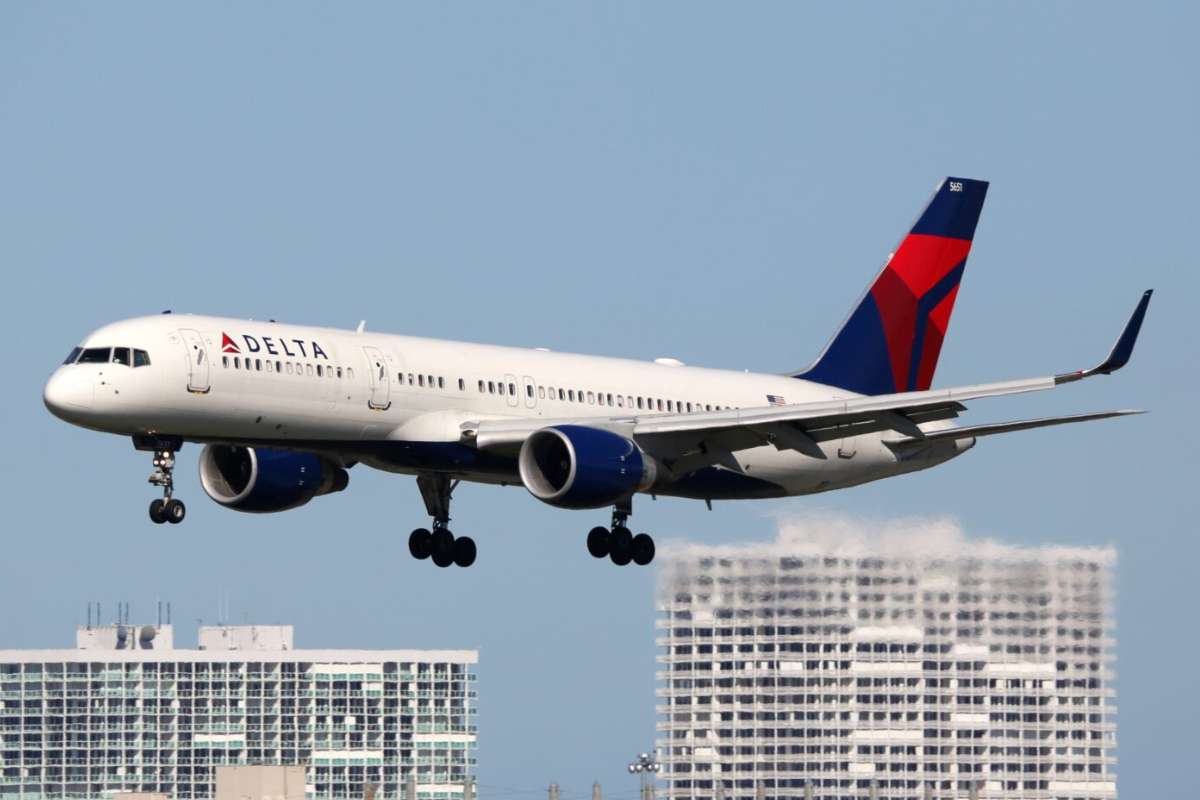
Delta Air Lines is investigating after an unauthorized Wi-Fi network appeared aboard Flight DL591 from Las Vegas to Atlanta on August 10. The network reportedly used the name “Delta Wifi Fast,” making it appear similar to the airline’s legitimate onboard service.
After becoming aware of the network, the flight crew notified Delta’s operations center through the Aircraft Communications Addressing and Reporting System, known as ACARS. The aircraft’s legitimate passenger Wi-Fi was then switched off for approximately 30 minutes as a precaution.
Early reports suggested that passengers returning from the DEF CON cybersecurity conference may have interfered with the official Wi-Fi signal and created a fraudulent login portal. However, several important details remain unconfirmed, including who created the network, whether any credentials were collected, and whether the legitimate signal was technically jammed.
Delta has stated that the aircraft’s operating systems were not affected, the safety of the flight was never in question, and the official onboard network was not compromised. The airline is continuing to investigate the incident alongside federal law enforcement and aviation regulators.
The event appears consistent with an “evil twin” technique, in which a malicious wireless access point imitates a trusted network. Passengers may connect to it believing it is legitimate, potentially exposing login credentials, personal information, or payment details.
While the incident did not affect flight operations, it highlights a growing challenge for connected aviation. The cabin now contains a constantly changing collection of passenger devices, wireless signals, and personal networking equipment. Even when these systems remain separate from safety-critical aircraft infrastructure, activity within the digital cabin can still create security, operational, and reputational consequences.
As onboard connectivity becomes a standard part of air travel, airlines must be able to identify unauthorized wireless activity quickly, distinguish legitimate networks from imitations, and give crews clear procedures for responding to suspected cyber events.
This incident is an important reminder that aviation cybersecurity extends beyond the systems required to fly the aircraft. Every connected layer of the aviation environment requires visibility, monitoring, and a response plan.
Read the full article:
https://www.insideflyer.com/posts/hackers-spoofed-delta-wi-fi-on-las-vegas-flight/